

A Trailer Hitch Doesn’t Tell the Whole Story: Shopping for a Used Tow Vehicle
A trailer hitch is useful equipment, but choosing a used truck or SUV for towing takes more than spotting a receiver under the rear bumper. The vehicle’s configuration, weight limits, equipment, and condition all matter.
Before planning a camper trip along I-89, establish your trailer’s loaded weight and tongue weight. Then verify that the particular vehicle you’re considering can accommodate both when properly equipped. That gives you a more useful shopping target than hitch size or horsepower alone.
Start With the Trailer You’ll Actually Pull
A trailer’s empty weight doesn’t include everything you’ll bring along. Camping supplies, tools, batteries, propane, and water can add to the load. With a boat trailer, account for the boat, trailer, motor, fuel, and equipment—not just the boat’s listed weight.
Write down:
- The trailer’s expected loaded weight.
- Its tongue weight—the downward load it places on a conventional hitch.
- The passengers and cargo that will ride in the tow vehicle.
- The trailer’s braking system and connection requirements.
Include items that might otherwise be overlooked. Groceries picked up along Fort Eddy Road still count toward the load, wherever you put them.
If you already own the trailer, weighing it loaded provides a better starting point than guessing. If you’re shopping for both, collect the trailer’s specifications before choosing a tow vehicle.
How to Check a Used Vehicle’s Towing Capacity
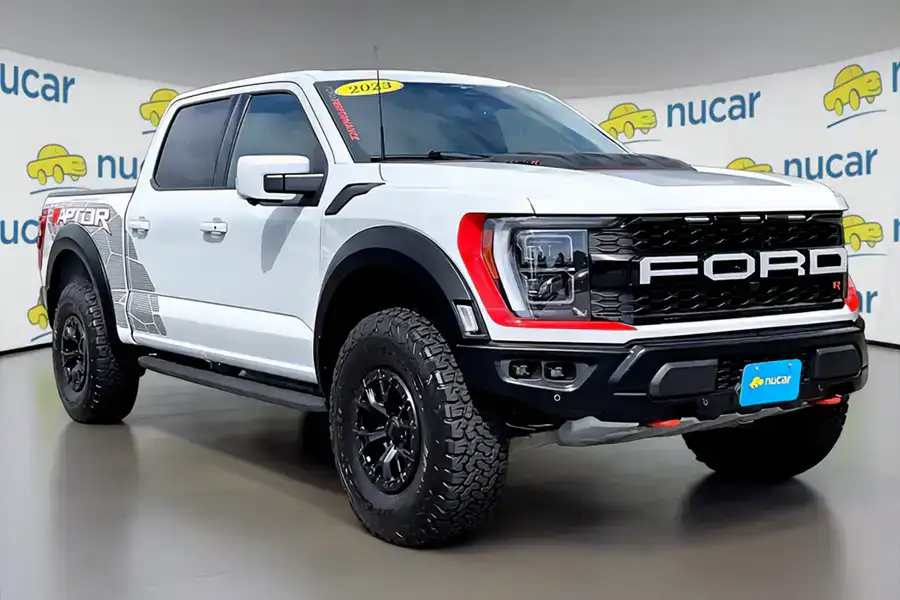
Two used pickups with the same model name can have different towing capabilities. Model year, engine, drivetrain, axle ratio, cab and bed configuration, and factory towing equipment can affect the applicable rating.
Ask for available factory build information, then verify the towing equipment actually installed. Match the vehicle to its model-year owner’s manual and towing guide rather than using the highest number advertised for the model lineup.
A receiver hitch doesn’t establish that a vehicle has a complete factory tow package. Depending on the vehicle, that package may include cooling equipment, wiring, or other components beyond the receiver.
For a truck that also carries equipment along Airport Road during the week, distinguish between cargo you can unload and installed accessories that will remain aboard when you tow.
Towing Capacity vs. Payload: Check Both
Towing involves several limits that must all be respected:
| Limit | What it covers |
| Trailer-weight rating | The allowable loaded trailer weight for the vehicle’s configuration and equipment. |
| Payload limit | The occupants and cargo the vehicle can carry; trailer tongue weight uses part of that allowance. |
| Gross Vehicle Weight Rating, or GVWR | The maximum allowable weight of the loaded tow vehicle. |
| Gross Axle Weight Ratings, or GAWR | The maximum allowable load on each axle. |
| Gross Combined Weight Rating, or GCWR | The maximum allowable combined weight of the loaded vehicle and trailer. |
The vehicle’s labels and manufacturer documentation provide the relevant limits. Don’t assume every rating appears on one door label.
Payload deserves particular attention. People, luggage, bed cargo, added accessories, hitch hardware, and tongue weight all need to be accounted for. A camper weekend near Bear Brook can involve a full cabin and plenty of gear before the trailer is connected.
A trailer can fall below the trailer-weight rating while another limit is exceeded. Weighing the loaded vehicle and trailer, including axle loads, lets you compare actual weights with the established ratings. It does not change those ratings.
Make Sure the Connections Match
Check the receiver, ball mount, hitch ball, and trailer coupler for compatible sizes and adequate ratings. Verify both trailer-weight and tongue-weight limits, including the receiver’s ratings for the hitch mode you’ll use.
A higher-rated receiver doesn’t increase the vehicle’s towing capacity, and the other components still have their own limits.
Also verify the wiring connection and operation of the trailer lights. If the trailer’s brakes require a controller, confirm that the vehicle has a compatible system and that it works.
Some combinations require a weight-distributing hitch or other specified equipment. Follow the instructions for the vehicle and trailer rather than assuming one setup works for every truck or SUV.
Inspect Condition Along With Published Towing Ratings
Arrange an independent pre-purchase inspection, and tell the technician that towing is part of your intended use. Ask for attention to the hitch and mounting points, structural corrosion or damage, brakes, tires, suspension, cooling system, and signs of leaks.
Review available maintenance records, too. Check the owner’s manual for maintenance requirements associated with towing and ask what service is documented.
During an unloaded test drive along Sheep Davis Road, assess normal steering, braking, and ride, and discuss anything unusual. That drive helps you evaluate everyday operation; it does not verify how the vehicle will perform with your trailer.
A hitch doesn’t prove that a vehicle was worked hard, just as a clean exterior doesn’t prove that it was maintained well. Condition and records are more useful than assumptions about a previous owner.
Choose Something You’ll Enjoy Between Towing Trips
The vehicle still needs to work for commuting, errands, and passenger trips. For a family heading to Memorial Field, that means checking seating space and room for sports bags—not just trailer capability.
Consider bed or cargo access, visibility, ride comfort, and how comfortably you can get in and out. Those details affect ownership throughout the week.
If Main Street stops are part of your routine, assess how comfortable you are with the vehicle’s size and parking maneuverability. Balance your towing requirements with the daily tasks the vehicle needs to handle.
Bring Your Trailer Details to Nucar
At Nucar Pre-Owned Superstore of Concord, bring your trailer specifications, expected passenger load, and equipment questions as you shop used trucks and SUVs. Visit us at 13 Manchester Street, Concord, NH, to compare vehicles and discuss the information you need to verify.
The Nucar Network expands your choices through shared inventory across Nucar dealerships while you work with our Concord team. Ask about the Certified Pre-Owned Warranty offered with certified vehicles, including the coverage and terms for the vehicle you’re considering.
Our service department can help with ongoing maintenance. Through Nucar Cares, we also support community causes through donations, sponsorships, and local involvement.
Everyone Loves a Nucar!
0 comment(s) so far on A Trailer Hitch Doesn’t Tell the Whole Story: Shopping for a Used Tow Vehicle