

How to Budget for a Used Car: Payment, Insurance, Fuel, and Maintenance
A smart used car budget covers more than the monthly payment. It should account for insurance, fuel, maintenance, registration, and the money you may need upfront so the vehicle fits your life after you drive it home.¹ If you are shopping for a used car, truck, van, or SUV in Concord, that bigger picture can help you choose with more confidence and fewer surprises.
What Should Your Used Car Budget Include?
Before you compare vehicles, start with the full cost of ownership. For most shoppers, that means planning for:
- monthly payment
- insurance
- fuel
- maintenance and routine service
- registration, taxes, and applicable fees
- upfront cash for a down payment or first-day costs
That approach gives you a clearer answer to the question that really matters: not just “Can I buy this vehicle?” but “Can I comfortably own it?”
Start With a Total Monthly Number, Not Just a Car Payment
One of the easiest ways to get off track is to shop by payment alone. A lower payment can look attractive, but a longer loan term or different rate may cost more over time. When you compare financing, it helps to look at the annual percentage rate, loan length, amount financed, and total cost, not just the monthly number.¹
A practical first step is to set a monthly target that feels sustainable for your household. Then break that total into categories. For example, if you already know you want room in the budget for insurance, fuel, and regular service, you will have a better idea of what payment range makes sense before you fall in love with the wrong vehicle.
This is also where online tools can help. You can explore the Finance Center, use the Payment Calculator, or Apply for Financing to get a clearer picture of your options before you narrow your search.
Price Insurance Before You Commit
Insurance is one of the most overlooked parts of a used car budget, and it can change more than many shoppers expect. Your premium may be affected by the vehicle you choose, your driving history, where you live, and the coverage and deductible levels you select.²
That is why it helps to get insurance quotes on a few realistic options before you buy. A compact sedan, a three-row SUV, and a pickup may all fit your needs in different ways, but they may not land in the same place on your monthly budget. Checking early can save you from stretching for a vehicle that looks affordable until the insurance bill arrives.
This is especially useful if you are deciding between:
- a newer vehicle and an older one
- a commuter-friendly sedan and a family SUV
- a crossover and a truck
- a standard used vehicle and a certified pre-owned model
Even when the sale price looks similar, the ownership cost may not be.
Match Fuel Costs to the Way You Actually Drive
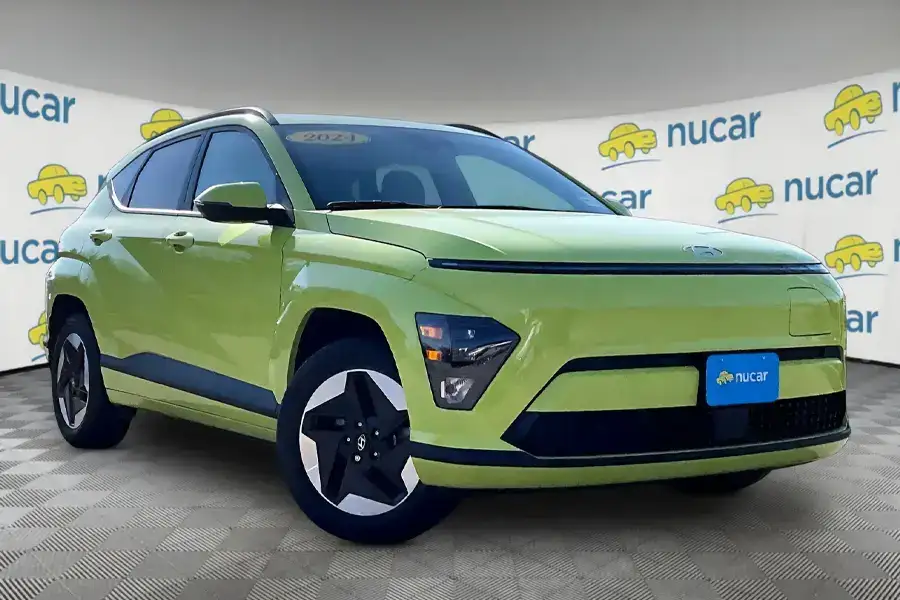
Fuel spending becomes easier to manage when the vehicle fits your real routine. If most of your driving is short trips around Ft. Eddy Rd, Storrs St, and other everyday stops in Concord, your priorities may look different than someone who spends more time on I-393 or heads out on I-89 regularly.
As you compare used vehicles, think about:
- how many miles you drive each week
- whether your driving is mostly city, highway, or mixed
- whether you need all-wheel drive or extra capability year-round
- how much passenger room and cargo space you truly use
A lower sticker price does not always mean a lower ownership cost if the vehicle uses noticeably more fuel. On the other hand, a more efficient vehicle only makes sense if the payment, insurance, and maintenance still fit the rest of your budget. A used EV with a slightly higher up front cost could save you a lot in the long run.
The goal is not to chase the cheapest number in one category. It is to find the best overall fit for the way you live and drive.
Build Maintenance Into the Budget From Day One
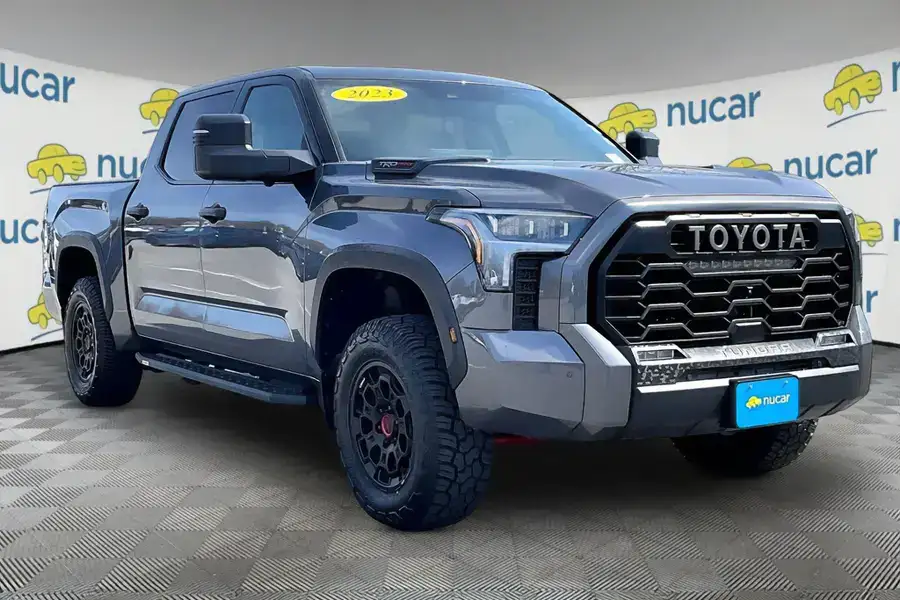
Routine service is part of ownership, not a surprise expense. Oil changes, tires, brake service, batteries, filters, and fluid changes should all have a place in your plan before you buy.
This matters even more in New Hampshire, where changing seasons can put extra focus on tires, brakes, visibility, and cold-weather readiness. A vehicle that works well for school drop-offs, errands, and trips to Memorial Field still needs to be maintained well if you want it to stay dependable.
A simple way to think about it is this: the right used vehicle is not just one you can finance. It is one you can keep up with.
Budgeting for maintenance should include room for:
- oil changes and inspections
- tire rotation and eventual tire replacement
- brake service
- battery replacement
- routine wear items and seasonal upkeep
- an emergency buffer for the unexpected
It also helps to pay attention to warranty terms and vehicle paperwork. The FTC’s Used Car Rule requires a Buyers Guide on used vehicles offered for sale, which helps shoppers see whether a vehicle is being sold as-is or with a warranty and what that coverage includes.³ That is useful budgeting information, not just dealership paperwork.
When it is time for routine care, you can Schedule Service online with Nucar Pre-Owned Superstore of Concord.
Do Not Overlook Upfront and New Hampshire Ownership Costs
A good budget should cover what happens on day one, not just month one. Depending on the vehicle and deal structure, that can include:
- down payment
- registration and title-related costs
- taxes and applicable fees
- first month of insurance
- any immediate maintenance items you choose to address after purchase
For New Hampshire drivers, registration is part of the real cost of ownership and should be planned for early. The state’s DMV notes that vehicle registration is a two-part process that begins with the town or city clerk where you live.⁴
That is one more reason to avoid spending every available dollar on the purchase itself. Leaving some room in reserve can make the overall ownership experience much easier.
Your Trade-In Can Help Clarify the Budget

If you already own a vehicle, getting a trade value early can help you shop with more focus. It may reduce the amount you need to finance, change the payment range that makes sense, or help you decide whether now is the right time to buy.
Instead of guessing, start with Value Your Trade before you compare too many vehicles. That gives you a more realistic starting point and can help narrow the search faster.
When Certified Pre-Owned May Be Worth the Extra Confidence
For some shoppers, the best budget choice is not simply the lowest-priced vehicle. Confidence matters too.
If you want a used vehicle with added reassurance, take a look at Certified Pre-Owned Vehicles. Nucar Pre-Owned Superstore of Concord notes that certified vehicles may include a 150-point inspection and warranty coverage through the Nucar Pre-Owned Certified Warranty program. That may be worth weighing if you want a stronger sense of what your first stretch of ownership could look like.
A Simple Checklist Before You Shop
Before you commit to any used vehicle, ask yourself:
- What total monthly number feels comfortable?
- Have I compared payment, APR, loan term, and total cost?
- Did I get an insurance quote on this exact type of vehicle?
- Does the fuel cost fit the way I really drive?
- Have I left room for maintenance and wear items?
- Did I account for registration, taxes, and upfront costs?
- If I have a trade, do I know its approximate value?
Those questions can keep a good deal from becoming a tight budget.
Frequently Asked Questions About Budgeting for a Used Car
Should I focus on monthly payment or total cost?
Start with a monthly target, but compare loans by more than payment alone. APR, term length, amount financed, and total cost all matter.¹
Should I get insurance quotes before I buy?
Yes. Insurance can vary based on the vehicle, your driving record, your location, and the coverage you choose. Getting quotes before you commit can help you budget more accurately.²
What upfront costs should I plan for in New Hampshire?
Common upfront costs may include a down payment, taxes and fees, registration-related costs, and the first month of insurance. New Hampshire vehicle registration also begins at your local town or city clerk.⁴
Is the cheapest used vehicle always the best budget choice?
Not always. A lower price can still lead to higher ownership costs if insurance, fuel, maintenance, or financing terms are not a good fit. The best value is the vehicle you can afford to buy and afford to keep.
Find the Right Fit for Your Budget at Nucar Pre-Owned Superstore of Concord
The best used vehicle for your budget is the one that works in real life. That could be a practical sedan for daily driving, an SUV with the space your family needs, a van that adds flexibility, or a truck that is ready for work and weekend projects alike.
Browse our Used Vehicle Inventory, explore your finance options, use the Payment Calculator, or Value Your Trade to take the next step. If you want to compare more options while still shopping locally, Nucar Pre-Owned Superstore of Concord can also help you explore the advantages of the Nucar Network. We are here to help you find a vehicle that fits your needs and your budget, because everyone loves a Nucar!
0 comment(s) so far on How to Budget for a Used Car: Payment, Insurance, Fuel, and Maintenance